
Blog
7 Ways to Keep Your Dog Healthy as the Weather Turns Warmer
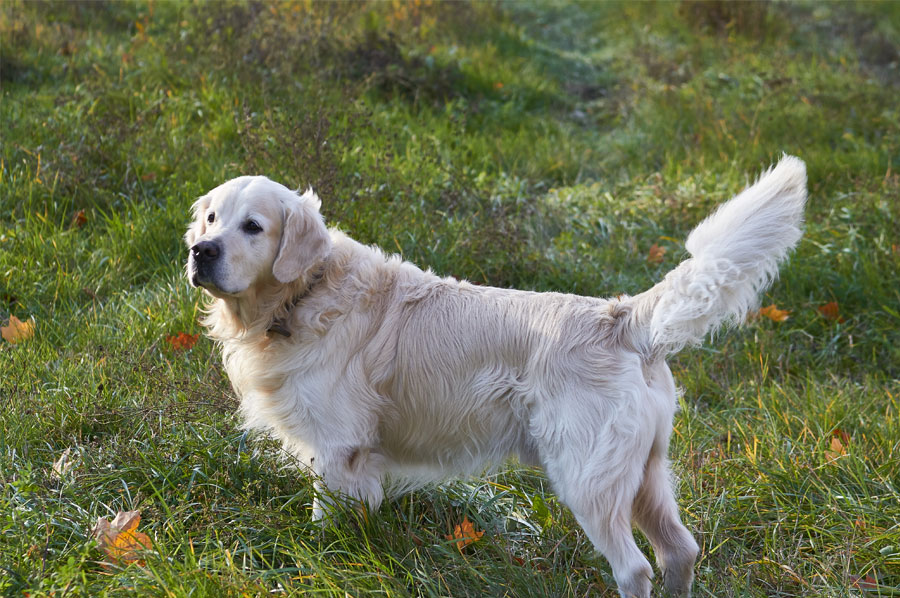
As spring begins to greet us, pet owners should take into consideration that their four-legged friends might need some extra care as temperatures begin to rise. These 7 tips will keep your canine companion healthy and happy this spring and summer.
Grooming Considerations
You might be wondering if you should shave or trim your dog’s coat to keep them cool this summer. Before you make that decision there are a few things to consider. Even the longest-coated dogs can be comfortable in the heat. A dog’s coat acts as insulation from the heat and protection from the sun. The best practice is to keep your dog groomed and trimmed year-round. A matted coat should be clipped. The mats can actually trap heat and moisture causing redness, irritation and odor. If you do have your dog clipped be sure to provide extra protection from the sun, fleas and parasites.
Tips to Reduce Shedding
Pet owners can become very annoyed with the amount of hair their dog begins to shed in the spring. Regular grooming, brushing and baths will all help to reduce shedding. Proper diet and nutrition will attribute to how much your dog sheds. Feeding a high-quality diet with the proper amount of protein, fiber and fat will contribute greatly to your pet’s overall health. For excessive shedders, a daily dose of Omega 3, such as fish oil, may help greatly reduce shedding. Consult with your veterinarian before feeding Omega 3 supplements.
Proper Flea and Tick Control
When it comes to flea and tick control there are a number of options for your pets. Talk to your vet to see which option best fits your pet’s needs. Don’t forget to treat your yard. Treating your yard will further protect your pet from these pesky and, oftentimes, dangerous pests. Watch for signs and symptoms of tick-borne diseases. If you think your dog or cat may be exhibiting signs of a tick-borne disease contact your vet immediately.
Prevent Heartworm and Other Parasites
The best way to protect your dog from heartworms and other worms, such as hookworm and round worm, is to give them monthly preventative medicine all year long. Heartworms are spread by misquotes so, it is especially important to give a heartworm preventative in the warmer months. Your vet can prescribe a preventative that will protect your dog from the threat of worms.
Stay Current on Vaccinations
As the weather turns nicer, many pet parents will take their dogs to dog parks or on hiking trails more frequently. Staying up-to-date on all vaccinations will keep your dog safe as he/she comes in contact with other dogs this spring.
Use Caution when Exercising
As we become more active in the spring and summer a lot of times so do our pets. When taking your dog on long walks or jogs be sure to do so in the early morning or evenings to avoid the hottest parts of the day. Remember, that the hot concrete or pavement can burn your dog’s paws.
Keep Cool to Keep Healthy
There are many things pet parents can do to avoid heat stress. Keeping your four-legged friend hydrated is extremely important during the hot summer months. If you and your pet are going to be outside for long periods of time, having access to shade well offer retreat from the hot sun, keeping your dog cool and reduce the chance of sun burn. Kiddie pools are a fun and entertaining way for your dog to cool off.