
Blog
Even pet food premix carriers must meet consumer demands
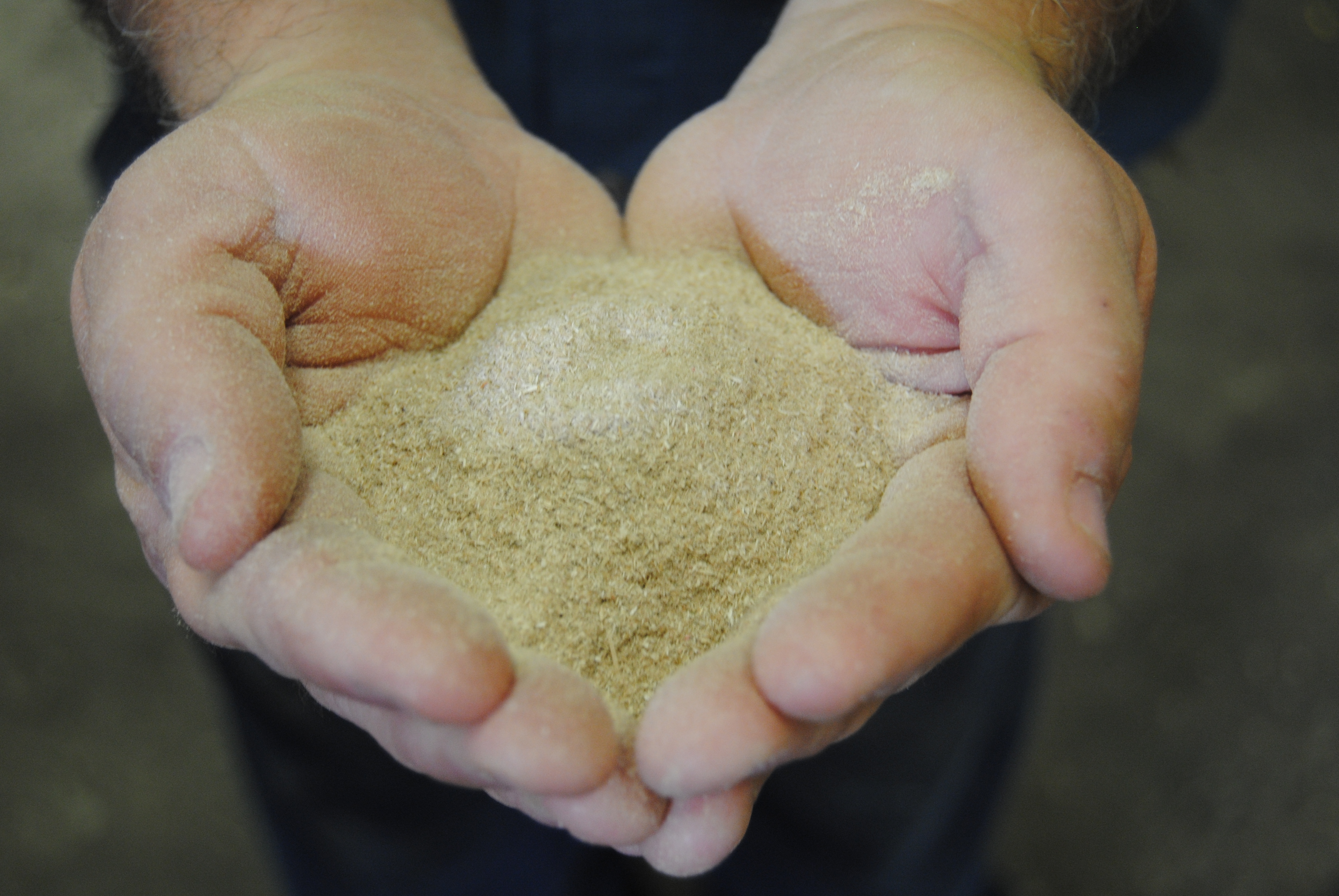
The world of pet food is an interesting reality. A growing number of consumers are demanding better ingredients, and complete traceability in their pet food. We have learned in recent years that even the smallest amounts of ingredients can lead to customer dissatisfaction. As retail brands look to satisfy customer requests, every process in the supply chain is being reevaluated. I want to spend a few minutes talking about a very small part of that process, premixes, and their carriers.
Premixes are a vital part of the formulation of the diet, as is the carrier for said premix. In the past customers did not ask questions when trace amounts of ingredients, like rice hulls were used as the premix carrier. However, customer transparency is growing and brands are forced to reevaluate even the smallest amount of ingredient inclusion. When making claims, like “all-natural” or “grain free” we have a responsibility as an industry to make sure that even the smallest trace amounts are in line with our branding.
As the industry has moved to this new era of customer involvement, we have seen an influx of costly human-grade ingredients start showing up in the diets. Even in places that bring little to no value, like a premix carrier. As marketers move away from premix carriers like rice hulls, they are looking for suitable replacements, this has resulted in new premix carries entering the market such as pea and oat fiber. With ingredients like these we expect to pay more, because the quality is higher, however, they still have their limitations, like traceability.
At MFiber we take pride in offering suitable replacements for low end ingredients, like rice hulls, while still maintaining the quality of human grade ingredients like pea and oat fiber. We are able to do this all while maintaining the highest level of integrity. Through our vertically integrated supply chain, we are able to control cost, while also offering complete traceability. MFiber has a product that is an ideal fit for premix carriers that meets the demand of your customers.
To learn more about our other carrier options read "The highly absorbent nature of MFiber makes it the ideal carrier."