
Blog
Increase Miscanthus tonnage with timely fertilizer application
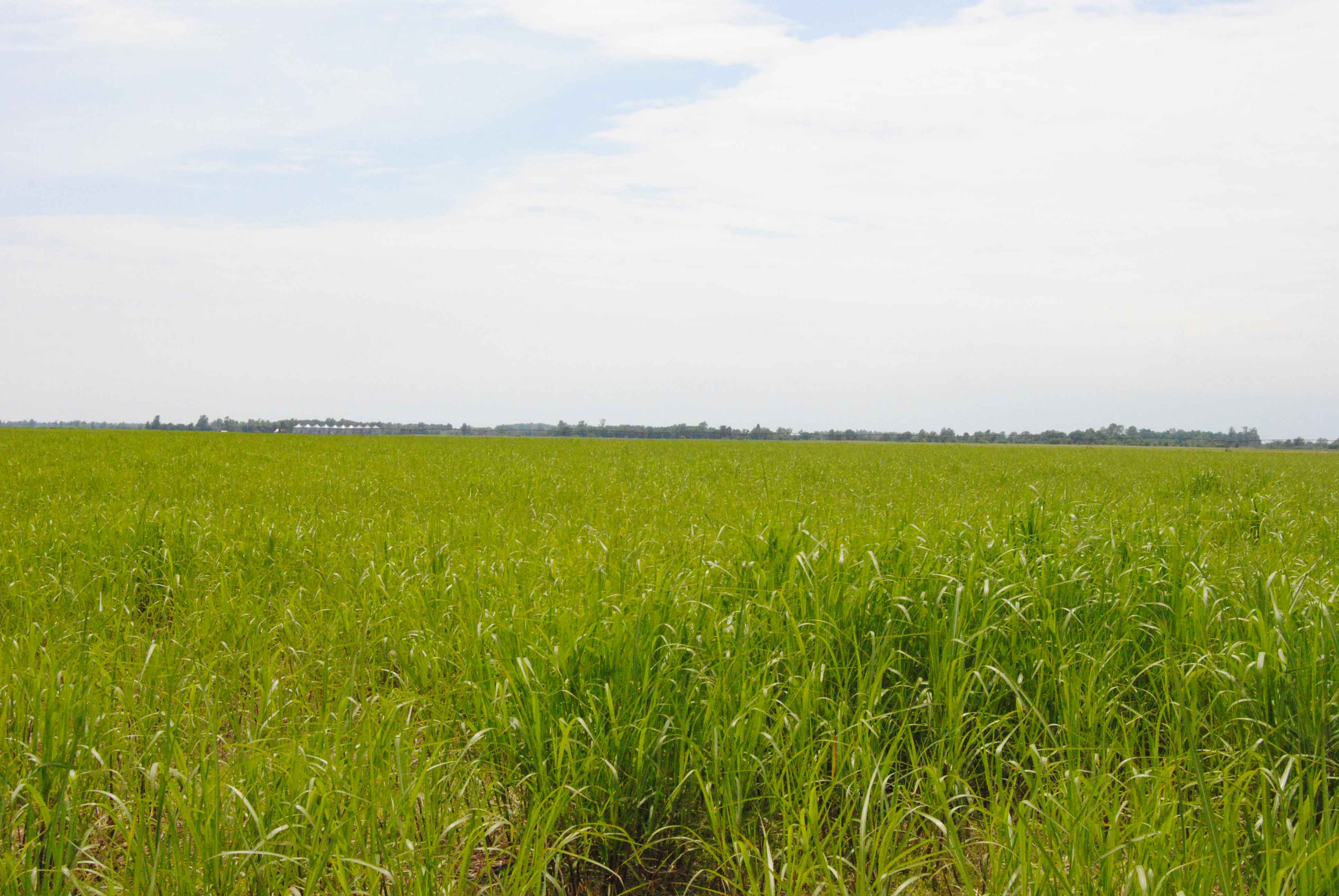
While Miscanthus x giganteus is a perennial warm season grass, you would expect it to be slower in coming out of dormancy in the spring but this is not the case at all. Many people are amazed to find that Miscanthus is one of the earliest grasses to break dormancy across the Midwest. This year, Renew Biomass saw some plants start breaking ground in the beginning of March while temperatures were still in the lower 30s at night. Early growth is not uncommon in other grasses like tall fescue or perennial ryegrass or Kentucky bluegrass, the only difference is that they are cool season grasses. So for Miscanthus to begin growth so early in the spring is quite impressive. Early growth of Miscanthus is needed if it is going to reach the 8-10 ton per acre growth that is expected.
Part of what allows this plant to come up so early has to do with the senescence process that has been explained in a few of our previous articles. All of the nutrients that were moved back into the rhizomes are used first to jumpstart the fast growth in the spring. For this reason, we would not suggest an early application of fertilizer before that plant has started growing. Especially with nitrogen, application long before the plant needs it will result in loss of nitrogen to denitrification or leaching or runoff. Waiting until the Miscanthus is about 6-12” tall to apply will help ensure the plant will be actively pulling nutrients off the soil and not just still relying on the rhizome storage.
There is still continuing research about whether or not fertilizer is needed to ensure maximum crop performance for Miscanthus. A lot of research pertaining to fertilizer has been done on soils that are known for being very fertile like in Illinois and Iowa. While research from those areas would suggest there is little to no affect, Renew Biomass has seen the effects of nitrogen fertilization and chicken litter, and we work with each farmer individually to maximize production based on soil test results.