
Blog
Why Shipping Matters With a Pet Food Fiber Ingredient
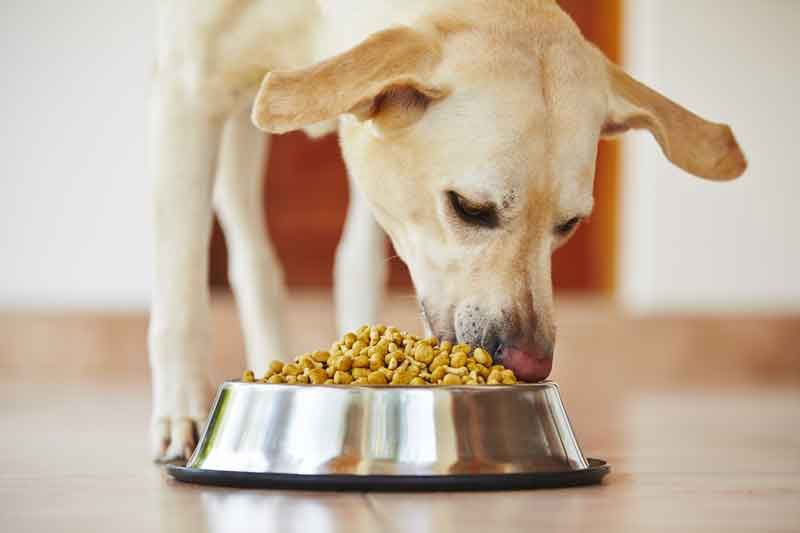
I recently read an article, published by Petfood Industry, noting that the majority of pet food production takes place in the Midwest, with heavy concentration in Missouri and Kansas. According to the KC Animal Health Corridor's 2014 Asset Survey, over 50 percent of the global pet food industry is made up of companies located in the Kansas City (KC) Animal Health Corridor, which stretches from Manhattan, Kan., to Columbia, Mo. The Midwest offers a steady supply of meat and grains, in addition to easy access to shipping by truck or rail. Which is perhaps why so many companies would positions themselves in this region.
You might ask what does that have to do with MFiber?
Miscanthus is grown and processed in the Midwest, meaning it originates close to the industry. Shipping is one of the costs pet food manufacturers must consider when purchasing ingredients, such as fiber. Many times we find that companies only compare price when considering an ingredient without consideration for shipping cost. When in reality a company could be spending more on the shipping to their facility than the actual cost of the product. Purchasing MFiber could lower shipping costs considerably because of our close proximity to the animal health corridor.
Here at MFiber we are proud to work one-on-one with farmers to grow high-quality, sustainable fiber alternatives. We offer a fiber ingredient at a competitive price equal to beet pulp, with the high qualities of wood cellulose, located right here in the backyard of the end product creation. Working with an ingredient that has less shipping not only saves on delivered cost, but also on the environment.
Contact a member of the MFiber team today to learn how you can benefit from buying local.
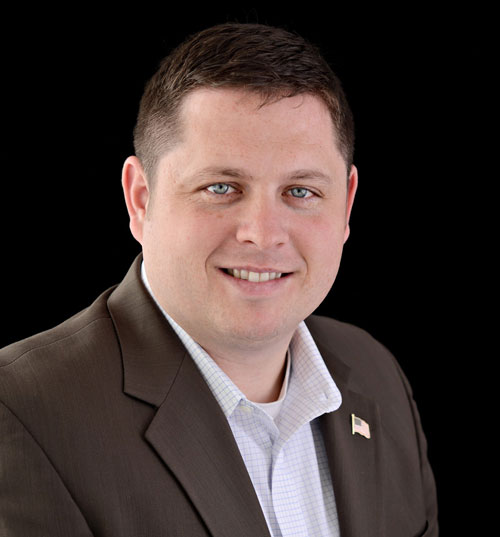
Dustin Dover, Chief Operating Officer
Dustin Dover has worked with the Miscanthus giganteus project since its inception in 2011. He originally started as the Southwest Missouri Project Manager and was responsible for working with local famers and coordinating the planting of over 3,000 acres of Miscanthus in Southwest Missouri. After the initial planting Dustin began securing markets for harvested Miscanthus and oversaw the development, budget and final specifications of the $8 million processing facility. Miscanthus has never been processed on this scale in the US and the conversion facility had to be completely created from scratch. Dustin now works as the Chief Operating Officer for Renew Biomass and leads a team of employees to oversee production and the manufacturing of M-Fiber.
Dustin grew up in Bentonville, Arkansas and graduated from Texas Bible College. After graduation Dustin spent two years serving as a youth pastor. He also traveled regularly doing global missions with time spent in India. In 2005 Dustin transitioned fully into business. Early in his career he was influenced by the vendor and entrepreneurial culture of Northwest Arkansas. He worked as an account lead for one of six companies approved by Walmart for in store event marketing. Just prior to the recession of 2008 Dustin saw an opportunity to move into agriculture and began a career with Willow Brook Foods which was later bought by Cargill. Shortly after the Cargill purchase Dustin transitioned to MFA Oil and spent seven years working for the farmer-owned energy cooperative. He now lives near Springfield, Missouri with wife and three young daughters. They have a small hobby farm and are active in their community specifically leading a small group of 40 adults through their church.